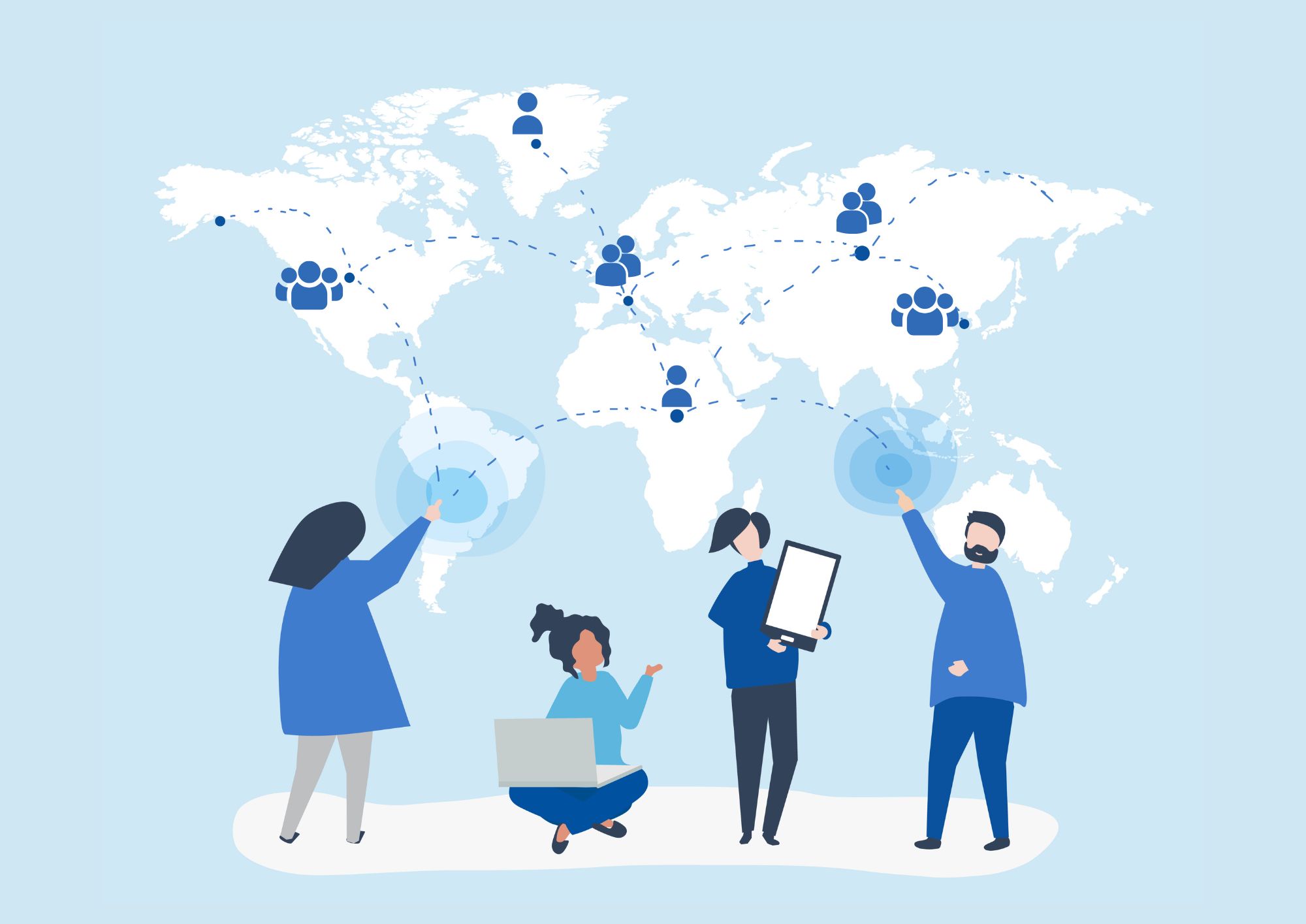

Research emerging from developing countries often addresses urgent, real-world challenges such as public health, climate resilience, sustainable agriculture, education reform, and grassroots innovation. Yet, despite its relevance, such research frequently struggles to gain international visibility. Structural barriers, limited funding, and restricted access to publishing networks can prevent valuable findings from reaching the audiences that need them most.
Here are five practical ways researchers can expand their global reach.
1. Publish in Reputable International Platforms: One of the most effective ways to gain global visibility is to publish in a recognised international journal with a wide readership. Journals indexed in major databases increase discoverability and credibility.
Researchers should:
- Target journals that are aligned with their specific field and methodology.
- Carefully follow submission guidelines and formatting requirements.
- Seek mentorship or editorial support when needed to refine manuscripts.
Publishing internationally not only amplifies research impact but also strengthens academic networks across borders.
2. Collaborate Across Borders: International collaboration enhances both quality and visibility. Partnering with researchers from other countries can provide:
- Access to advanced methodologies or equipment.
- Shared funding opportunities.
- Co-authored publications that reach wider academic communities.
Collaborations can begin through academic conferences, research forums, online scholarly networks, or institutional partnerships. When research addresses global challenges such as climate change or public health, cross-border teamwork makes the work more compelling and relevant.
3. Use Open Access and Digital Repositories: Open access publishing significantly improves accessibility. When research is freely available, it can be read and cited by scholars, policymakers, and practitioners worldwide, including those without institutional subscriptions.
In addition, researchers should deposit their work in:
- Institutional repositories.
- Subject-specific archives.
- Academic networking platforms.
This ensures long-term visibility and easier citation, especially for scholars in regions with limited access to paid databases.
4. Communicate Research Beyond Academia: Reaching a global audience requires going beyond academic papers. Researchers can:
- Write policy briefs and executive summaries.
- Share findings through webinars or public lectures.
- Publish opinion pieces in reputable media outlets.
- Use professional platforms such as LinkedIn or academic social networks.
Clear, accessible communication helps translate complex research into practical insights. Policymakers, NGOs, journalists, and industry leaders are more likely to engage when findings are presented in concise and relatable formats.
5. Strengthen Research Presentation and Language Quality: Language barriers can limit the global reach of otherwise strong research. Investing in professional editing, peer review workshops, or academic writing training can significantly enhance clarity and impact.
Researchers should focus on:
- Clear structure and logical argumentation.
- Strong abstracts and keywords for discoverability.
- Accurate data presentation and citation practices.
Well-presented research not only improves acceptance rates but also increases citations and influence across disciplines.
Research from developing countries holds immense potential to shape global knowledge and policy. By strategically choosing publication platforms, building international collaborations, embracing open access, communicating beyond academia, and refining presentation quality, scholars can ensure their work reaches the audiences it deserves.
Global recognition is not merely about visibility. It is about contributing diverse perspectives to worldwide conversations and ensuring that local insights inform global solutions.