
Today, stories can reach people around the world in seconds, but access to publishing is still unequal. Talent is everywhere, but opportunities are not. Many writers—especially those from the Global South, regional language backgrounds, or independent and first-time creators—face barriers that hold them back.
For publishing to be truly global, it also needs to be fair. Whether it’s books or international journals, real change is needed so that voices aren’t limited by where someone lives, their background, or their finances. Here are four ways to make access better for everyone.
1. Reduce Financial Barriers to Entry
For many writers and researchers, cost is the first big hurdle. Fees for submitting work, processing, translation, and marketing can keep talented people from being heard.
In academic publishing, especially in international journals, high publication fees can stop scholars from developing countries from sharing their work. Clear pricing, and flexible payment options can help make publishing more inclusive. Publishing should be about quality, not money.
2. Expand Regional Language Representation
English is the main language in global publishing. While it helps connect people, it can also keep others out. Many talented authors who write in regional or indigenous languages have a hard time getting noticed internationally.
Publishers can support translation grants, bilingual books, and partnerships across countries. International journals can also welcome multilingual summaries or research from different regions. When we value language diversity, knowledge becomes broader and more inclusive.
3. Increase Editorial Diversity
Editorial boards decide what gets published and read. If these groups aren’t diverse in geography, culture, or gender, they may unintentionally favour certain stories over others.
Having more diverse editorial teams, reviewers, and curators brings in different viewpoints. This matters a lot in international journals, where local research can have global importance. Who makes decisions affects how fair publishing is.
4. Strengthen Digital Access and Distribution
Digital platforms have made publishing more open, but not everyone gets the same visibility. Algorithms, marketing money, and distribution systems still give an advantage to well-known names and big organisations.
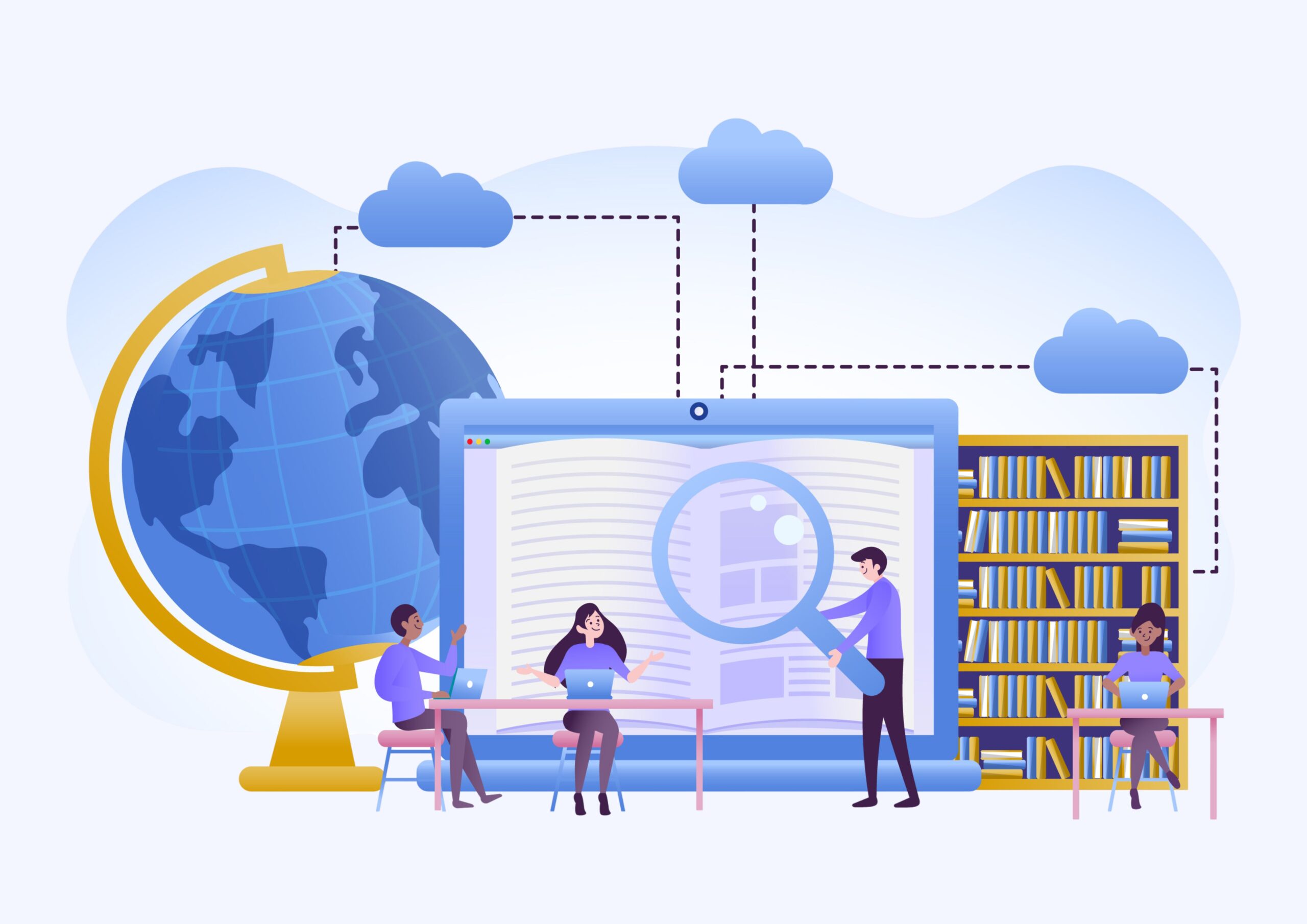
Supporting open-access publishing, better search tools, and community promotion can help everyone get noticed. Online libraries, easy-to-use archives, and fair indexing let both books and journals reach more people without barriers.
Fair publishing doesn’t mean lowering standards. It means opening up opportunities. The aim is to give a strong story from a small town, or important research from a less-funded place, the same chance to be seen as work from more privileged backgrounds.
Real global publishing means seeing that great work can come from anywhere. By lowering financial barriers, supporting language diversity, making editorial teams more diverse, and improving digital access, we get closer to a system where everyone’s talent has a fair chance. Only then will publishing truly reflect the world it wants to represent.